How to Avoid Racking Damage in Warehouse Racking
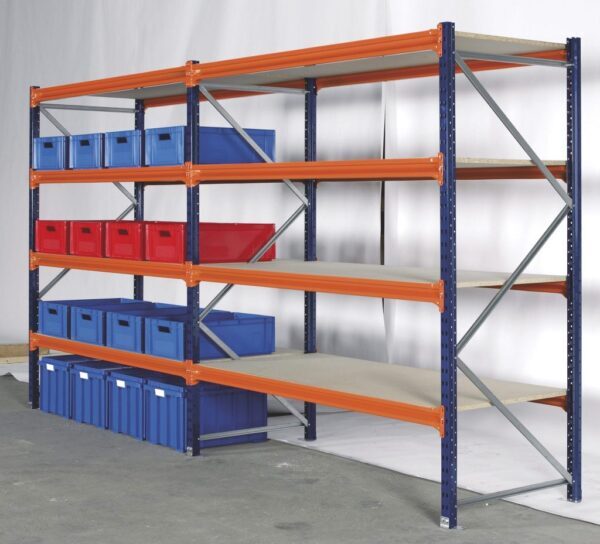
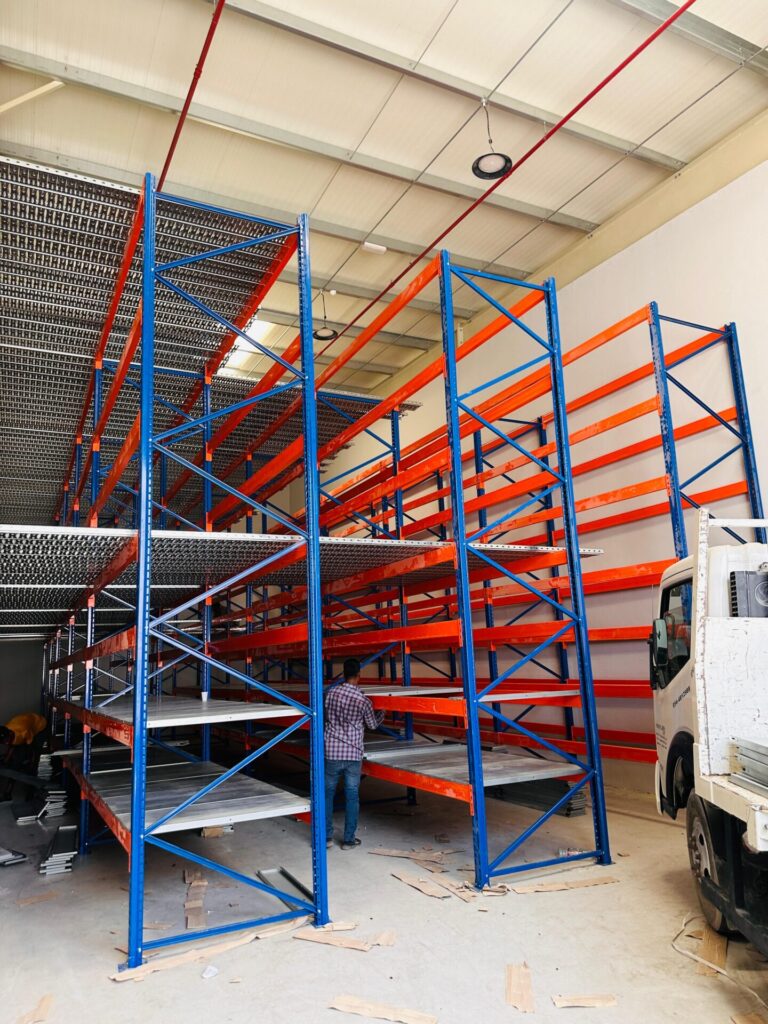
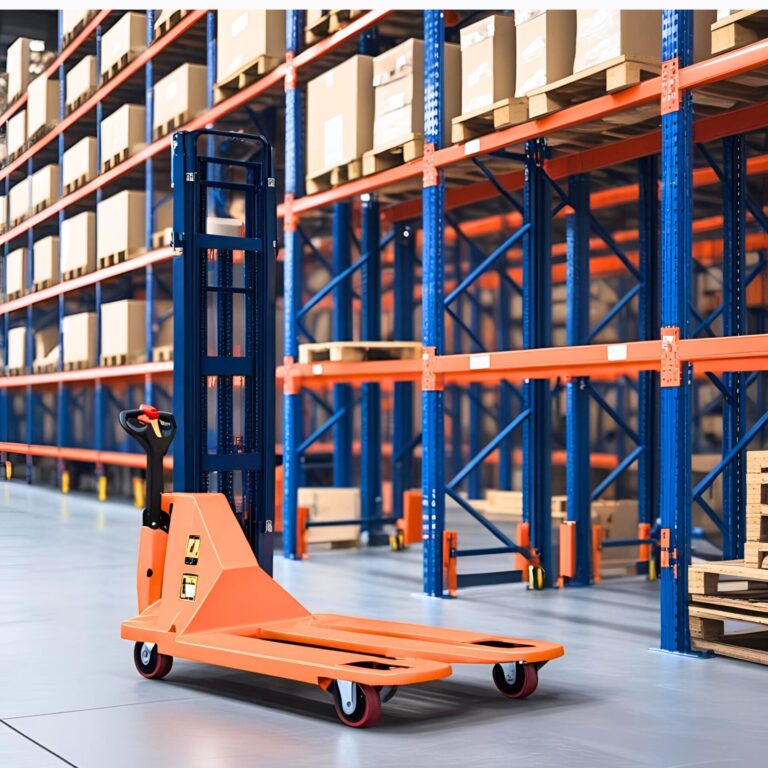
Warehouse racking systems are one of the most valuable investments in any storage facility. They not only help maximize space but also ensure goods are stored in an organized and accessible way. However, racking systems are often exposed to daily wear and tear, especially in busy warehouses where forklifts and pallet movers operate continuously. If racks are damaged and left unattended, they can compromise both safety and efficiency.
The good news is that most racking damage can be avoided with the right preventive measures. Below, we’ll explore the most effective ways to keep your warehouse racking in top condition while ensuring a safe working environment.
1. Invest in Rack Protection
One of the easiest ways to prevent rack damage is by installing protective accessories. Column guards, frame protectors, and end-of-aisle barriers act as a shield against accidental forklift impacts. They absorb the force of a collision and minimize the risk of structural damage to your racks. Additionally, backstops or safety netting can help prevent products from falling, which not only protects the racking system but also safeguards workers moving around the warehouse.
2. Train Forklift Operators Thoroughly
Most rack damage happens because of forklift mishandling. Drivers working in tight aisles may accidentally hit beams or uprights, especially when rushing to meet deadlines. To reduce this risk, warehouses should invest in proper operator training programs. Operators should be reminded of safe driving speeds, careful turning in narrow aisles, and correct pallet placement on racks. Periodic refresher training ensures that safe practices are not forgotten over time Warehouse Racking.
3. Follow Load Capacity Guidelines
Overloading is a silent threat to warehouse racking systems. Every rack has a maximum load limit per level and per bay. Ignoring these limits can cause beams to bend, uprights to warp, or in extreme cases, racks to collapse. To avoid this, always:
- Distribute pallet loads evenly.
- Place heavier loads on lower levels and lighter ones at the top.
- Use clearly visible load capacity labels so operators know the limits at a glance.
By respecting these guidelines, you not only prevent rack damage but also increase the longevity of your storage system.
4. Carry Out Regular Inspections
No matter how careful you are, some wear and tear is inevitable. That’s why regular inspections are essential. Supervisors should conduct weekly visual checks to identify bent beams, missing bolts, or leaning uprights. Any issues should be addressed immediately before they become a bigger problem. In addition, scheduling annual professional inspections helps ensure compliance with safety standards and provides expert advice on maintenance.
5. Ensure Proper Installation
A racking system is only as strong as its installation. Poorly installed racks may appear fine at first but can become unstable under daily use. Always rely on qualified installation teams who understand leveling, anchoring, and spacing requirements. Proper installation prevents leaning, shifting, or unbalanced loads, all of which can lead to premature damage.
6. Keep Aisles Clear and Organized
A cluttered warehouse increases the chances of accidents. Forklift drivers need enough space to maneuver without bumping into racks. By keeping aisles free from pallets, packaging, or other obstructions, you create a safer and more efficient environment. Organized storage also reduces the likelihood of operators misplacing pallets or stacking them incorrectly on the racks Warehouse Racking.
7. Use Clear Labels and Signage
Clear labeling makes a huge difference in preventing racking damage. When load limits, aisle directions, and storage instructions are clearly displayed, warehouse staff can operate with confidence. Labels also minimize guesswork, reducing mistakes that could lead to overloading or incorrect pallet placement.
8. Replace Damaged Components Immediately
Even with the best precautions, some damage may still occur. The key is not to ignore it. Bent beams, twisted uprights, or damaged connectors should never be used because they compromise the strength of the entire racking structure. Instead, replace damaged components immediately with manufacturer-approved parts. Quick action prevents further damage and maintains warehouse safety.
Why Preventing Rack Damage Matters
Maintaining warehouse racking isn’t just about protecting equipment; it’s about protecting your business. Damaged racks can cause:
- Product loss from collapsed shelves.
- Safety risks that may injure workers.
- Operational downtime while repairs are made.
- Higher replacement costs if the damage spreads.
By taking preventive steps such as installing protective barriers, training staff, and carrying out regular inspections, you can ensure your racking remains safe, reliable, and cost-effective in the long run.
Final Thoughts
Warehouse racking damage is common, but it doesn’t have to be inevitable. With proper planning, training, and maintenance, you can significantly reduce risks. Remember, prevention is always more affordable than repair or replacement. A well-maintained racking system not only extends the life of your investment but also keeps your warehouse running Warehouse Racking smoothly and safely.
FAQs
Q1: What causes most warehouse racking damage?
Most damage happens due to forklift impacts, overloading racks, or poor pallet handling. Regular training and protective barriers can reduce these risks.
Q2: How often should warehouse racks be inspected?
Visual checks should be carried out weekly, while professional inspections are recommended at least once a year.
Q3: Can damaged racks still be used temporarily?
No. Using bent or broken components is unsafe. They should be replaced immediately with approved parts.
Q4: What’s the best way to protect racks from forklift accidents?
Installing column guards, end-of-aisle barriers, and training forklift operators are the most effective ways to prevent impact damage.
Q5: Why is rack maintenance important for businesses?
Proper maintenance prevents accidents, reduces downtime, avoids costly product losses, and ensures the warehouse operates smoothly and safely.