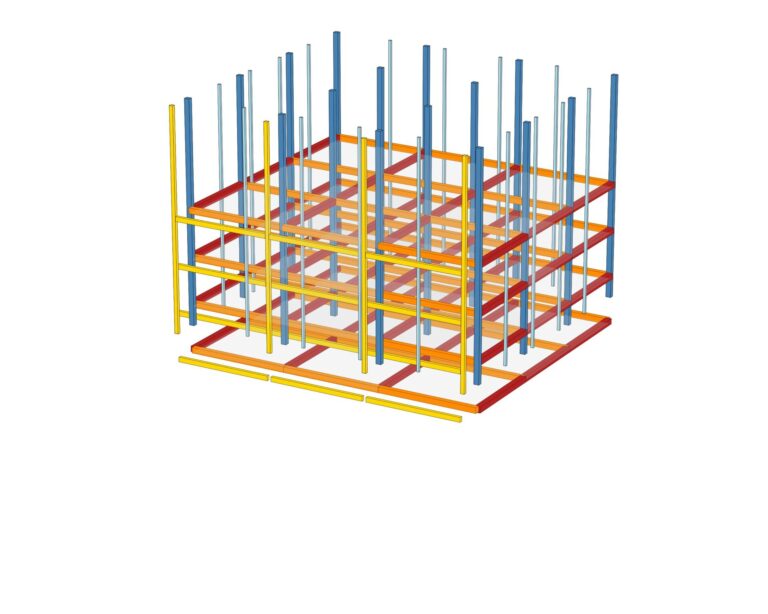
I Beam and U Beam: The Backbone of Modern Structural Engineering
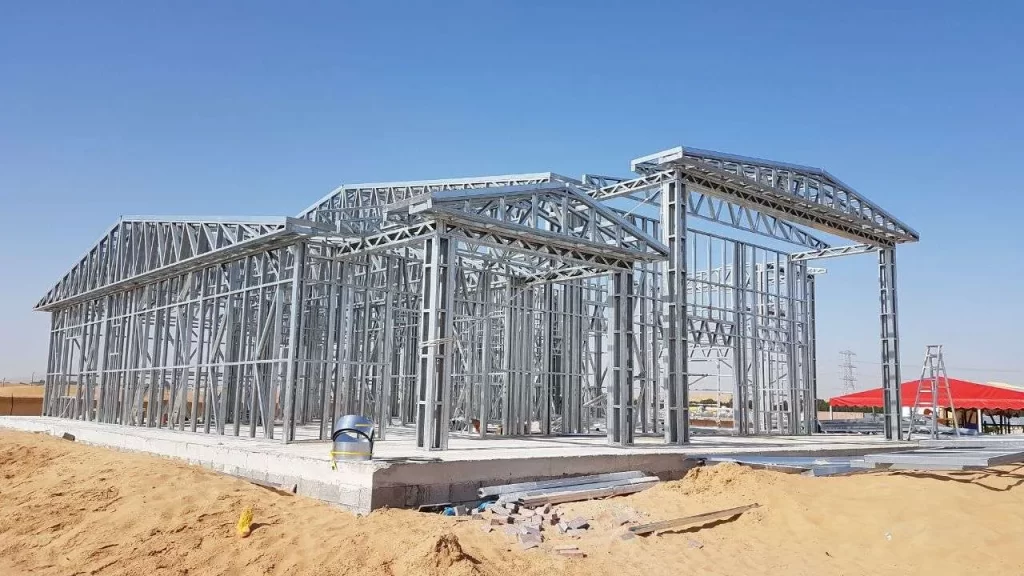
In the world of construction and engineering, steel beams play a critical role in creating strong, durable, and reliable structures. Among the various types of steel sections available today, I Beam and U Beam are two of the most commonly used. Both have unique shapes, functions, and advantages that make them essential in different types of building and industrial applications.
Whether you are constructing a warehouse, mezzanine floor, bridge, or commercial building, understanding the difference between these two beam types can help you make the right choice for your project. This article explores what I Beams and U Beams are, their benefits, key differences, and where they are best used.
What Is an I Beam?
An I Beam, sometimes referred to as an H Beam or Universal Beam, gets its name from its distinct “I” shape when viewed from the end. It consists of two main parts:
- Flanges – The top and bottom horizontal sections of the beam. These handle most of the bending forces.
- Web – The vertical center section that connects the flanges. It resists shear forces and keeps the beam stable under load.
I Beams are designed to carry heavy loads over long spans. They are widely used in construction projects where high strength and stability are required. Because of their shape, they can handle both vertical and horizontal stress efficiently without deforming.
Key Advantages of I Beams:
- High load-bearing capacity: Ideal for supporting heavy structures like roofs, floors, and mezzanines.
- Excellent strength-to-weight ratio: Offers strong support without unnecessary weight.
- Long-span support: Suitable for structures that need fewer columns and more open floor space.
- Versatile application: Commonly used in commercial buildings, bridges, warehouses, and mezzanine flooring systems.
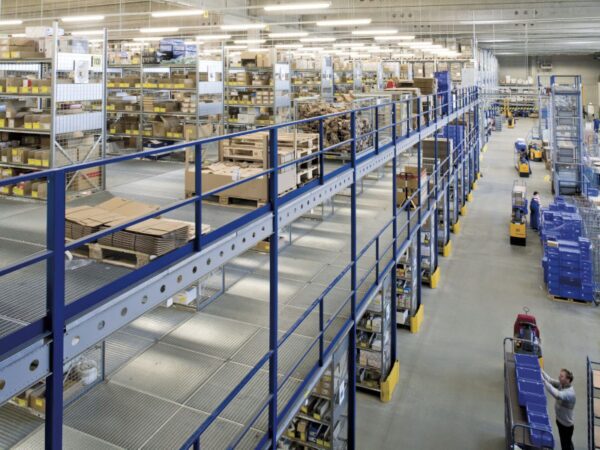
For example, in warehouses, I Beams are often installed to support mezzanine floors because they allow large open spaces below for forklifts, pallet racking, and smooth workflow.
What Is a U Beam?
A U Beam, also known as a Channel Beam, has a U-shaped cross-section. It features a flat base (called the web) with two vertical sides (flanges). Compared to I Beams, U Beams are usually lighter and more flexible, which makes them a great choice for secondary structural applications.
While they do not carry as much load as I Beams, U Beams are extremely useful in projects that require medium strength, ease of installation, and cost efficiency.
Key Advantages of U Beams:
- Lightweight and easy to handle: Ideal for projects where quick installation is important.
- Cost-effective: A budget-friendly option for medium-duty support structures.
- Versatile: Suitable for floor joists, frames, vehicle chassis, and support structures.
- Structural support: Provides stability and strength in lighter framing applications.
U Beams are frequently used in framing, bracing, support beams, and even in the automotive industry for vehicle structures. Their shape makes them excellent for applications where strength is needed in one direction but flexibility is acceptable in another.
I Beam vs U Beam – A Clear Comparison
| Feature | I Beam | U Beam |
|---|---|---|
| Shape | “I” or “H” shape | “U” shape (channel) |
| Load Capacity | High – suitable for heavy loads | Medium – ideal for lighter applications |
| Weight | Heavier | Lighter |
| Cost | Generally higher | More economical |
| Application | Bridges, warehouses, mezzanines | Frames, floor joists, bracing, vehicles |
| Span | Ideal for long spans | Best for short to medium spans |
This simple table highlights that both beams are valuable, but their use depends on the type of load, span, and structural requirement of the project.
Applications in Construction and Industry
I Beam and U Beam are the backbone of heavy-duty construction. They are often used in:
- Warehouse mezzanine floors
- Multi-story building frames
- Bridge structures
- Roof trusses and large-span supports
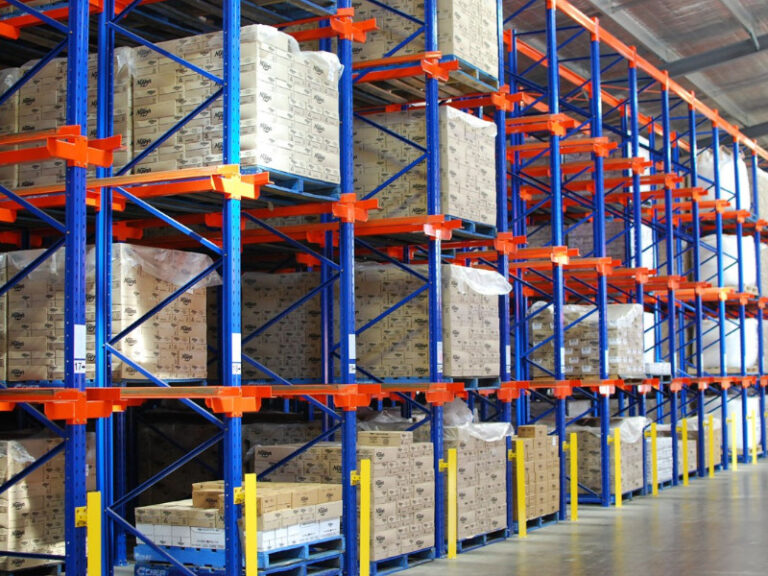
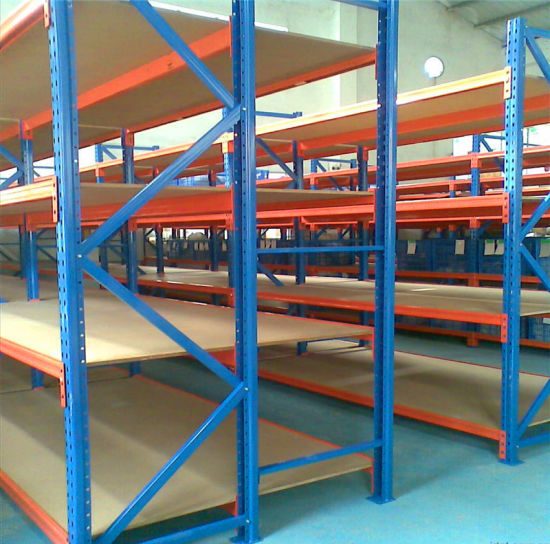
- Pallet racking and industrial shelving systems
Their ability to handle large loads makes them indispensable in spaces where I Beam and U Beam need to be fully utilized.
U Beams, on the other hand, are commonly applied in:
- Framing and bracing elements
- Floor joists and ceiling supports
- Vehicle and trailer frames
- Light-duty support structures
- Staircases and platform edges
Their lightweight design and cost-effectiveness make them ideal for projects that do not require the full strength of an I Beam.
Why Choosing the Right Beam Matters
Selecting the correct beam type is more than just a technical decision — it impacts the safety, cost, and durability of your entire project. Using a beam that is too weak can lead to structural failure, while over-engineering with an unnecessarily heavy beam can drive up costs.
Here’s why choosing quality I Beam and U Beam matters:
- Structural Stability: Ensures the building remains strong over time.
- Safety: Reduces risks of bending, twisting, or collapse.
- Cost Efficiency: Proper sizing and beam type help save materials and labor.
- Longevity: High-quality steel beams resist corrosion and wear, extending the life of the structure.
Conclusion
Both I Beam and U Beam are crucial components in modern construction and engineering.
- I Beams provide unmatched strength for heavy-duty applications like mezzanine floors, warehouses, and bridges.
- U Beams offer versatility, easy handling, and affordability for lighter structural uses.
By understanding their differences and strengths, you can choose the most suitable beam type for your project — ensuring a safe, efficient, and cost-effective structure that stands the test of time.