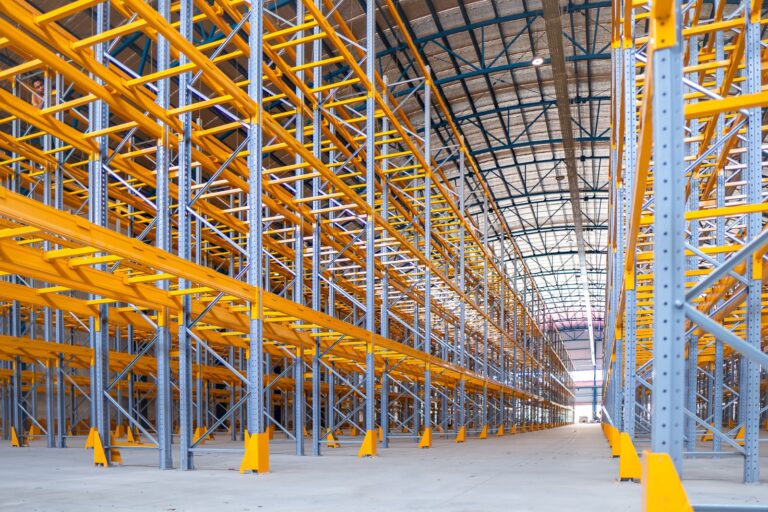
Rack-Supported Mezzanine Floor High-Density Warehouse Storage Solutions
In today’s fast-paced logistics and industrial environment, efficient use of warehouse space has become more important than ever. As storage demands grow, many businesses face the challenge of limited floor area and rising expansion costs. A rack-supported mezzanine floor offers a smart and cost-effective solution by combining storage racking and mezzanine flooring into one integrated system. This innovative approach helps warehouses achieve high-density storage while maintaining safety, flexibility, and operational efficiency.
What Is a Rack-Supported Mezzanine Floor?
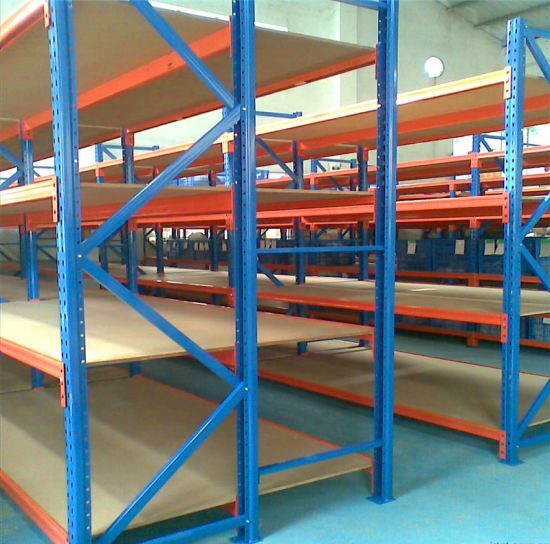
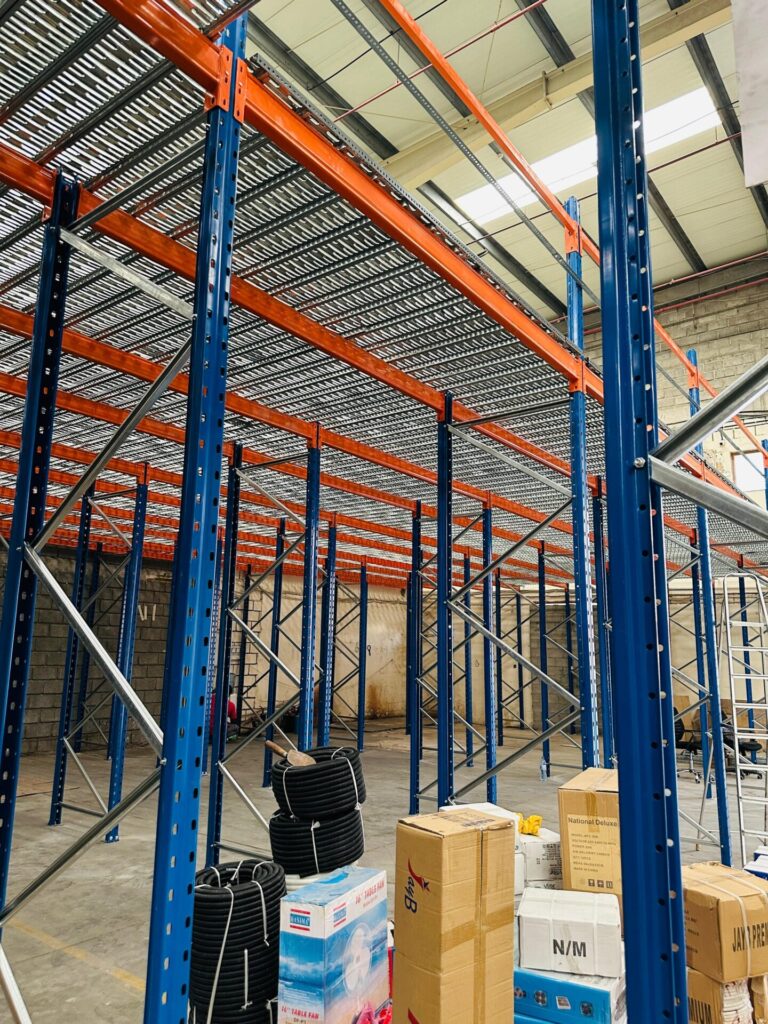
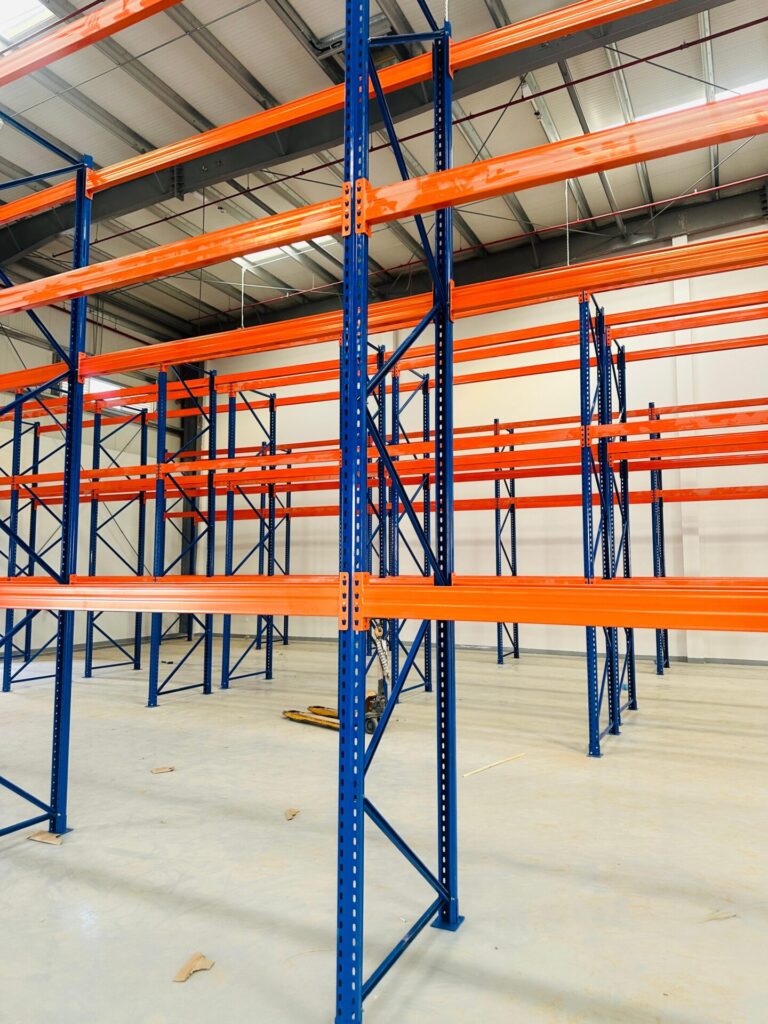
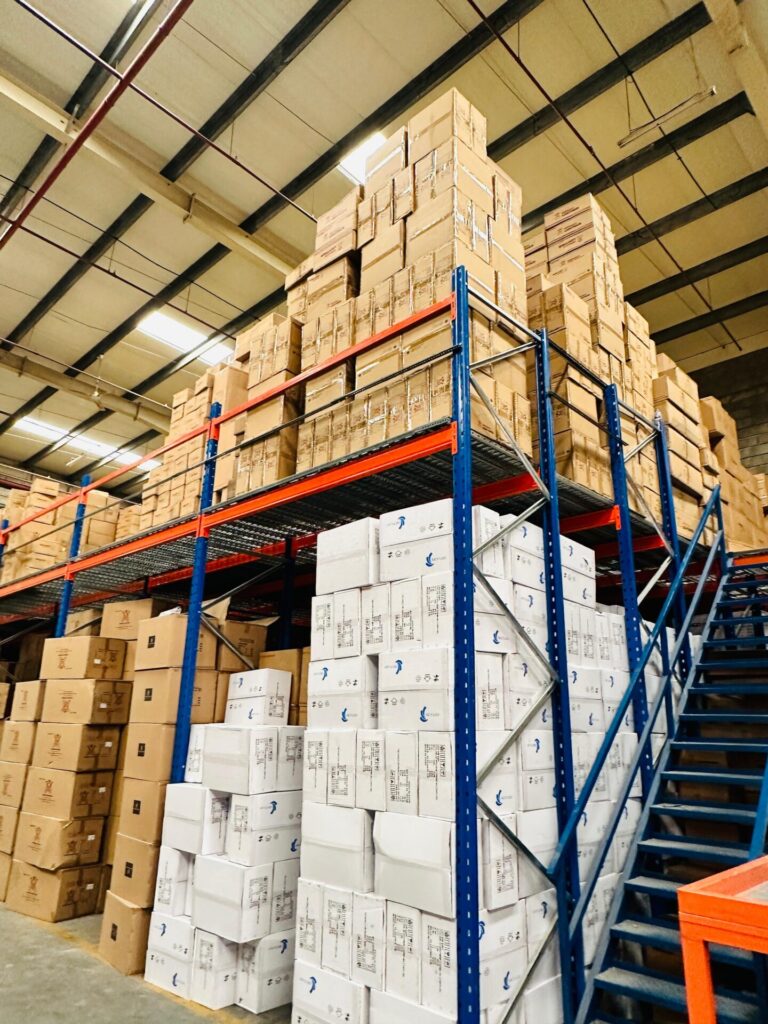
A rack-supported mezzanine floor is a structural system where the storage racks themselves act as the primary support for the mezzanine platform. Instead of using separate columns or steel structures, the racking uprights carry both the stored goods and the mezzanine floor above. This dual-purpose design makes it an ideal solution for warehouses looking to maximize vertical space without major construction work.
These systems are commonly used in distribution centers, manufacturing units, e-commerce warehouses, and industrial storage facilities where high load capacity and space optimization are essential.
Why Rack-Supported Mezzanine Floors Are Gaining Popularity
One of the main reasons rack-supported mezzanine floors are becoming increasingly popular is their ability to double or even triple usable storage space within the same building footprint. By utilizing the full height of the warehouse, businesses can store more products without relocating or expanding their facility.
Additionally, rack-supported mezzanine floors are faster to install compared to traditional mezzanines. Since the racking system and flooring are designed together, installation time is reduced, resulting in minimal disruption to daily operations.
Key Benefits of Rack-Supported Mezzanine Floors
High-Density Storage:
Rack-supported mezzanine floors are designed for high-density storage, allowing businesses to store palletized goods on lower levels while using upper floors for picking, shelving, or additional pallet storage.
Cost-Effective Expansion:
By eliminating the need for separate support columns, these systems reduce material and construction costs. They offer a more affordable alternative to building extensions or moving to a larger warehouse.
Strong Load-Bearing Capacity:
Manufactured from high-grade structural steel, rack-supported mezzanine floors can handle heavy loads safely. Load capacity is carefully calculated to ensure both the racking and the mezzanine floor perform reliably under demanding conditions.
Customizable Design:
These systems can be customized based on warehouse layout, product type, and operational requirements. Options include multiple levels, staircases, handrails, gates, and lighting integration.
Improved Workflow Efficiency:
With well-organized storage levels, workers can access goods more easily, reducing travel time and improving order-picking efficiency.
Applications Across Different Industries
Rack-supported mezzanine floors are suitable for a wide range of industries. In logistics and distribution centers, they support high-volume pallet storage and fast-moving goods. Manufacturing facilities use them to store raw materials, components, and finished products. Retail and e-commerce warehouses benefit from improved picking zones and organized inventory management.
These systems are also ideal for cold storage facilities, automotive warehouses, and spare parts storage, where space utilization and load capacity are critical.
Safety and Compliance Considerations
Safety is a key factor in rack-supported mezzanine floor design. The entire structure must comply with relevant international and local standards. Load calculations, seismic considerations, and material quality play an important role in ensuring long-term safety.
Safety features such as handrails, kick plates, staircases, and pallet gates are essential components. Clear load rating signage should be displayed to prevent overloading. Regular inspections and maintenance help identify wear, damage, or misalignment early, ensuring continued safe operation.
Installation and Maintenance
One of the advantages of rack-supported mezzanine floors is their relatively quick installation. Since the racking system forms the main structure, fewer columns are required, and installation can often be completed without interrupting warehouse activities.
Maintenance is straightforward, involving routine inspections of racking frames, beams, flooring panels, and safety accessories. Proper use within the rated load capacity significantly extends the system’s lifespan.
Choosing the Right Rack-Supported Mezzanine Solution
Selecting the right system depends on several factors, including warehouse height, floor load capacity, type of goods stored, and material handling equipment used. Working with an experienced racking and mezzanine supplier ensures that the design is tailored to your operational needs while meeting all safety requirements.
Professional design and installation also help future-proof the system, allowing for expansion or reconfiguration as business needs change.
Conclusion
A rack-supported mezzanine floor is a powerful solution for businesses seeking high-density warehouse storage without increasing their building footprint. By combining strength, flexibility, and cost efficiency, these systems help maximize space, improve workflow, and support long-term growth. For warehouses looking to optimize vertical space and enhance storage capacity, rack-supported mezzanine floors offer a smart and reliable investment.