Construction Fence Rules in the UAE: A Complete Guide
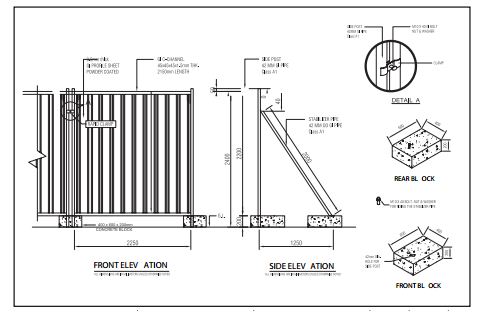
Construction projects are common across the UAE as the country continues to grow with new residential, commercial, and infrastructure developments. Alongside progress, however, comes the responsibility to ensure safety, orderliness, and compliance with regulations. One of the most important site management requirements is construction fencing, also known as site hoarding.
These temporary fences are not just barriers; they play a vital role in protecting workers, pedestrians, and the surrounding community. They also maintain privacy, prevent unauthorized entry, and keep construction debris contained. Because of these safety concerns, municipalities across the UAE have laid down strict rules for construction fencing. Below is a detailed explanation of the main requirements, their importance, and what contractors need to keep in mind.
Why Construction Fencing is Necessary
- Public Safety – Construction areas often contain heavy machinery, sharp materials, and open excavations. A Construction fence ensures people who are not part of the project stay out of danger.
- Worker Protection – Clear boundaries reduce the risk of accidental intrusions into hazardous zones.
- Clean Surroundings – Fencing helps control dust and debris, preventing construction waste from spilling into public roads.
- Project Privacy – Developers can maintain confidentiality of the project site while also using the fence surface for branding or project information.
Standard Rules for Construction Fences in the UAE
Although specific regulations can vary slightly by emirate (Dubai, Abu Dhabi, Sharjah, etc.), the following requirements are commonly applied across the UAE:
1. Permit Requirement
Before setting up any temporary Construction fence, contractors must obtain approval from the relevant municipality. The application usually includes site drawings, contractor details, and the proposed fence design. Without a permit, the contractor risks fines and project delays.
2. Fence Height
The standard fence height must be at least 2.4 to 2.5 meters. This ensures sufficient protection from dust and debris while also keeping the site visually covered.
3. Gate Size
Entrance gates are allowed but should not exceed 5 meters in width. Wider openings compromise safety and may create uncontrolled access.
4. Panel Spacing
Gaps between fence panels should be no wider than 5 centimeters. The bottom of the fence should also not be raised more than 20 centimeters from the ground, preventing debris or tools from slipping out.
5. Materials and Colors
Most municipalities require iron or steel sheet panels mounted on a sturdy frame. Panels are typically fixed on a concrete base to withstand wind. Approved colors are usually bright and reflective—often light orange or white—but some areas, like Palm Jumeirah in Dubai, specify colors such as “Nakheel blue.”
6. Signage and Information Boards
Every construction fence must display:
- Project name and number.
- Names of the main contractor and consultant.
- Emergency contact numbers.
- Safety warning signs in both Arabic and English.
This ensures transparency and quick communication in case of incidents.
7. Utility Lines and Boundaries
Fences must not obstruct or cover utility lines like water, electricity, or telecom networks. Contractors are also required to install the fence strictly within their plot boundaries. If municipal authorities need access, the contractor must adjust the fence immediately.
8. Maintenance
A fence must be inspected regularly and kept in good condition throughout the project. Rusted, damaged, or fallen panels can result in penalties and may endanger the public. Contractors are responsible for making sure fences remain upright even during strong winds and storms.
9. Removal After Project Completion
Once construction ends, the contractor must remove the Construction fence, signage, and any temporary structures. Leaving fencing behind is considered a violation and can delay the issuance of project completion certificates.
Penalties for Non-Compliance
Municipalities conduct regular inspections of construction sites. If a fence is found unsafe, incomplete, or not up to standard, the contractor may face:
- Monetary fines.
- Stop-work orders.
- Suspension of permits.
- In serious cases, blacklisting from future projects.
Complying with fencing rules is therefore not just a formality—it directly impacts the smooth progress of the project.
Best Practices for Contractors
- Plan Early: Include fencing design and cost in the project’s initial budget.
- Use Quality Materials: Low-cost, weak fencing can collapse, leading to fines and safety risks.
- Check Municipality Updates: Regulations may be updated; staying informed avoids last-minute issues.
- Add Branding: Many contractors use the fence for promotional graphics while keeping within municipal guidelines.
Conclusion
Construction fencing in the UAE is more than just a boundary marker; it is a legal, safety, and social responsibility. By following the rules—such as maintaining a minimum height of 2.5 meters, controlling gate size, ensuring proper signage, and keeping fences well maintained—contractors protect the community, safeguard workers, and maintain compliance with authorities.
For businesses in the UAE, especially in fast-developing emirates like Dubai and Abu Dhabi, respecting construction fence regulations builds a reputation of professionalism and reliability. A secure and well-maintained fence not only meets legal requirements but also reflects the contractor’s commitment to safety and quality.