How to Check the Load Capacity of a Mezzanine Floor
A mezzanine floor is one of the smartest ways to maximize usable space in warehouses, factories, offices, and retail outlets. By adding an extra level within the same building footprint, businesses can increase storage and operational efficiency without investing in costly expansions. However, while mezzanine floors provide flexibility, one critical factor that should never be ignored is load capacity. If a mezzanine is overloaded or improperly used, it can lead to structural damage, accidents, and non-compliance with safety regulations.
In this article, we will break down how to check mezzanine floor load capacity step by step so you can ensure safe and efficient usage.
1. Start with Design Documents
Every well-constructed mezzanine floor is engineered with detailed drawings and specifications. The first place to look when checking load capacity is the design document provided by the manufacturer or installer. These documents normally highlight:
- Uniform Distributed Load (UDL): The maximum weight evenly spread per square meter (e.g., 300–500 kg/m²).
- Point Load: The maximum weight that can be placed on a specific spot, such as under a pallet or a machine.
- Live Load vs Dead Load: Live load refers to movable weight like goods, racks, or people, while dead load is the weight of the mezzanine itself.
If you cannot find these documents, consult the installer or hire a structural engineer for an evaluation.
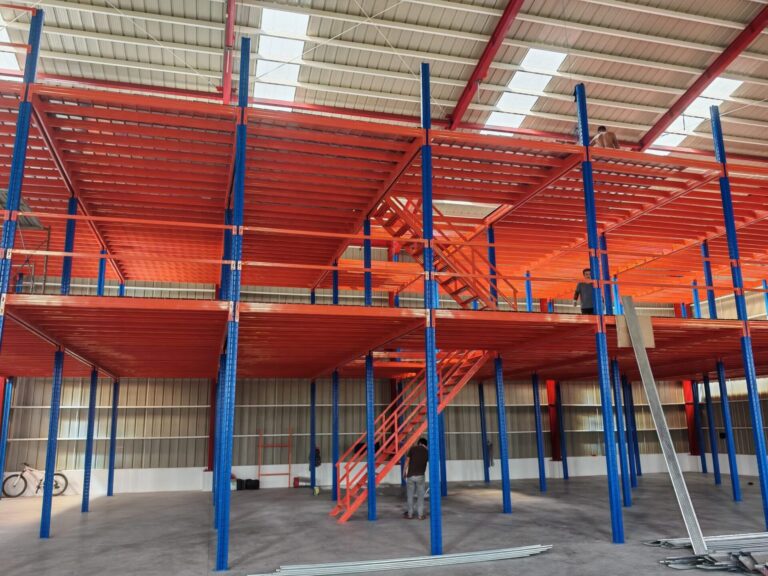
2. Inspect Columns, Beams, and Flooring
The strength of a mezzanine depends on three main elements:
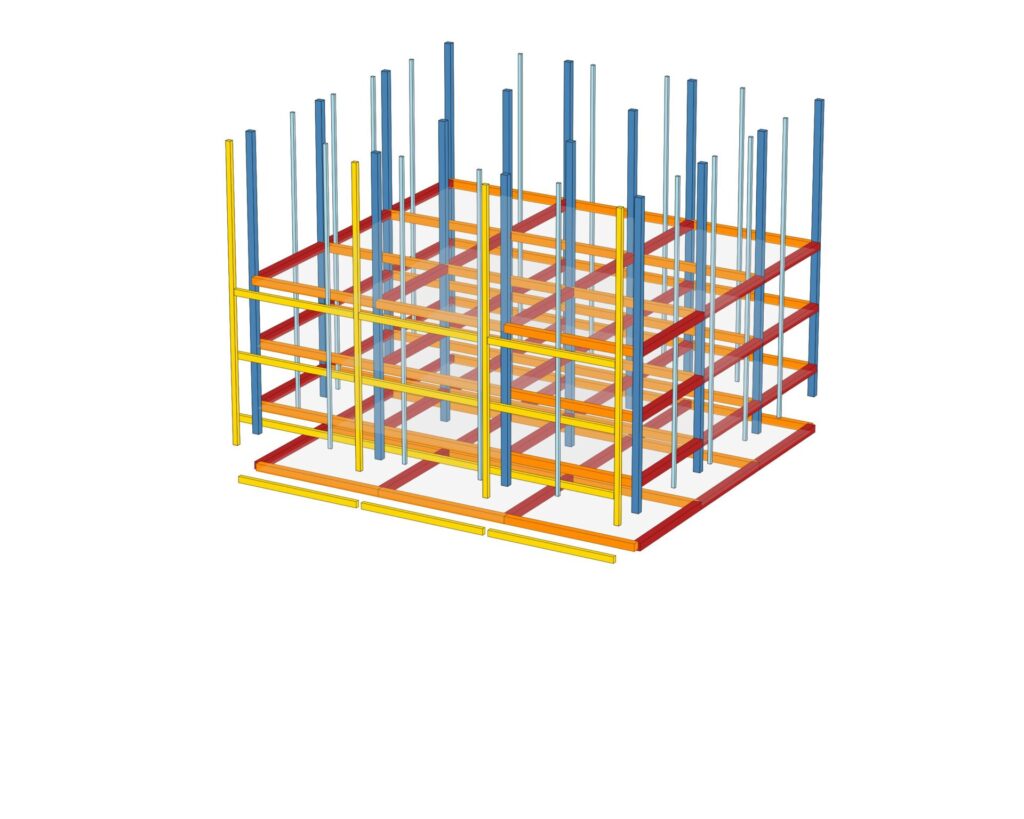
- Columns: These vertical supports carry most of the structural weight. Their thickness, spacing, and anchoring affect the total capacity.
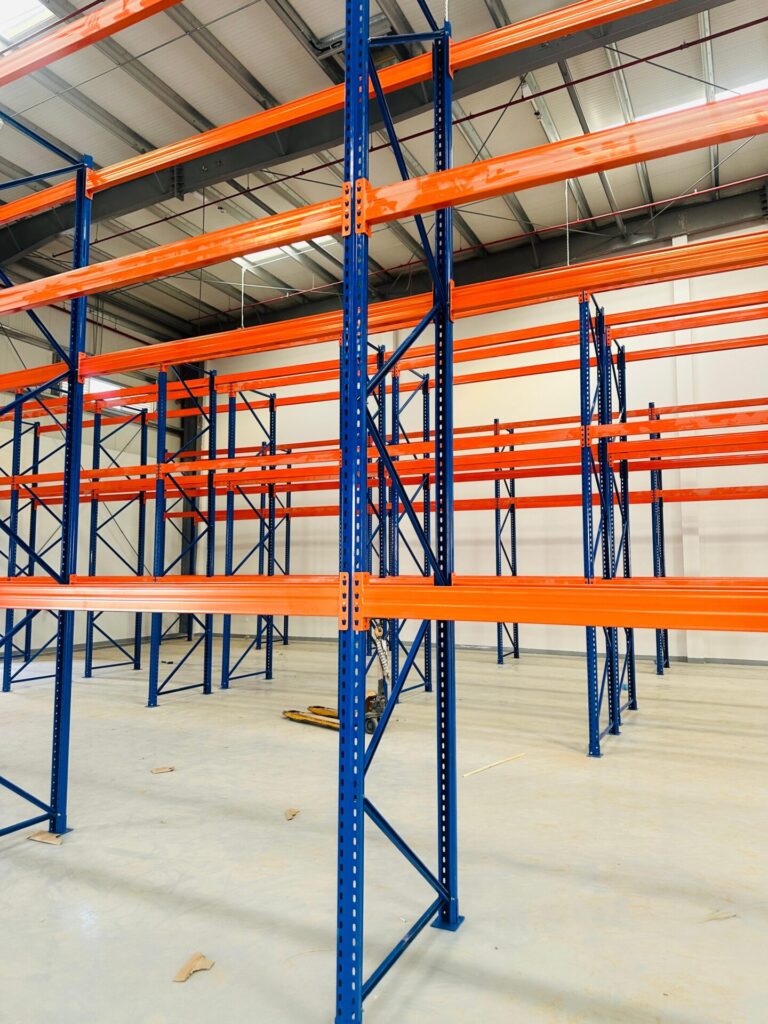
- Beams and Joists: These horizontal members distribute loads between columns. Heavier-duty beams mean greater load capacity.
- Flooring Material: Steel decking, timber, or grating each comes with its own rating. For instance, steel decking usually supports heavier industrial loads compared to timber flooring.
If you see undersized or visibly stressed beams, it may be a sign the mezzanine is carrying too much weight.
3. Understand Load Distribution
Load capacity is not just about total weight but also how that weight is distributed. For example:
- A mezzanine with a 500 kg/m² UDL and 100 m² floor area technically supports 50,000 kg.
- However, placing a 2,000 kg machine on a small 1 m² section may exceed the point load limit, even if the total weight is within range.
The golden rule is to spread heavy items evenly across the mezzanine. Concentrated loads can cause bending, cracks, or even collapse.
4. Look for Warning Signs
Sometimes the floor itself tells you when it is overstressed. Warning signs include:
- Vibration or “bounce” when walking on the mezzanine.
- Sagging beams or visibly bent columns.
- Cracks around connections, bolts, or welds.
- Fasteners loosening under pressure.
If you notice these issues, stop loading the mezzanine immediately and get a professional inspection.
5. Follow Local Standards and Regulations
In the UAE, mezzanine floors must comply with building codes and safety standards, such as:
- Dubai Municipality guidelines
- Trakhees and Civil Defense approvals
Authorities may require certification before allowing mezzanines for storage or operations. Compliance not only ensures safety but also protects you from fines, insurance issues, or legal risks in case of an accident.
6. Conduct Professional Load Testing
When in doubt, load testing is the most reliable way to confirm mezzanine strength. A structural engineer can perform a static load test by applying controlled weights and measuring deflection. They then issue a certification that confirms the mezzanine’s safe working load.
This is especially important if you are:
- Using heavy machinery on the mezzanine.
- Storing bulk items or palletized goods.
- Unsure about the mezzanine’s original design capacity.
7. Practical Formula for Quick Estimation
A simple way to estimate mezzanine capacity is: Total Load Capacity=UDL×Floor Area\text{Total Load Capacity} = \text{UDL} \times \text{Floor Area}Total Load Capacity=UDL×Floor Area
Example:
- UDL = 350 kg/m²
- Floor Area = 120 m²
- Total Capacity = 42,000 kg
However, remember this does not account for concentrated loads, so always double-check with engineering guidance.
Key Takeaways
- Always start with manufacturer or installer design documents.
- Inspect the condition of columns, beams, and flooring regularly.
- Distribute loads evenly instead of concentrating weight in one spot.
- Watch for physical warning signs such as sagging or vibrations.
- Ensure compliance with UAE regulations and get certifications where required.
- When in doubt, hire a structural engineer for a professional assessment.
A mezzanine floor is an excellent investment for any business looking to optimize space, but it must be used safely. Checking load capacity is not a one-time task—it should be part of regular warehouse safety practices. By following these steps, you can protect your staff, inventory, and property while making the most of your mezzanine floor.
FAQ Section
Q1: What is mezzanine floor load capacity?
A mezzanine floor load capacity is the maximum weight it can safely hold. It is usually measured in kilograms per square meter (kg/m²) and includes people, goods, equipment, and the floor structure itself.
Q2: How can I calculate mezzanine load capacity?
Multiply the uniform distributed load (UDL) by the floor area. For example, if the UDL is 350 kg/m² and the mezzanine is 100 m², the total capacity is 35,000 kg. Always consider point loads and concentrated weights separately.
Q3: What are signs my mezzanine is overloaded?
Warning signs include vibrations, sagging beams, bending columns, loose fasteners, or cracks around joints. If you notice these, stop loading and get a professional inspection immediately.
Q4: Do mezzanine floors need approval in the UAE?
Yes. Mezzanine floors must comply with Dubai Municipality, Trakhees, and Civil Defense regulations. Professional certification is often required before use for storage or operations.
Q5: Can I place heavy machines on a mezzanine?
Yes, but only if the mezzanine is designed for heavy-duty loads. Always check the point load rating and consult a structural engineer before installing machinery.