Pallet Racking with Human Safety Building a Smarter and Safer Warehouse
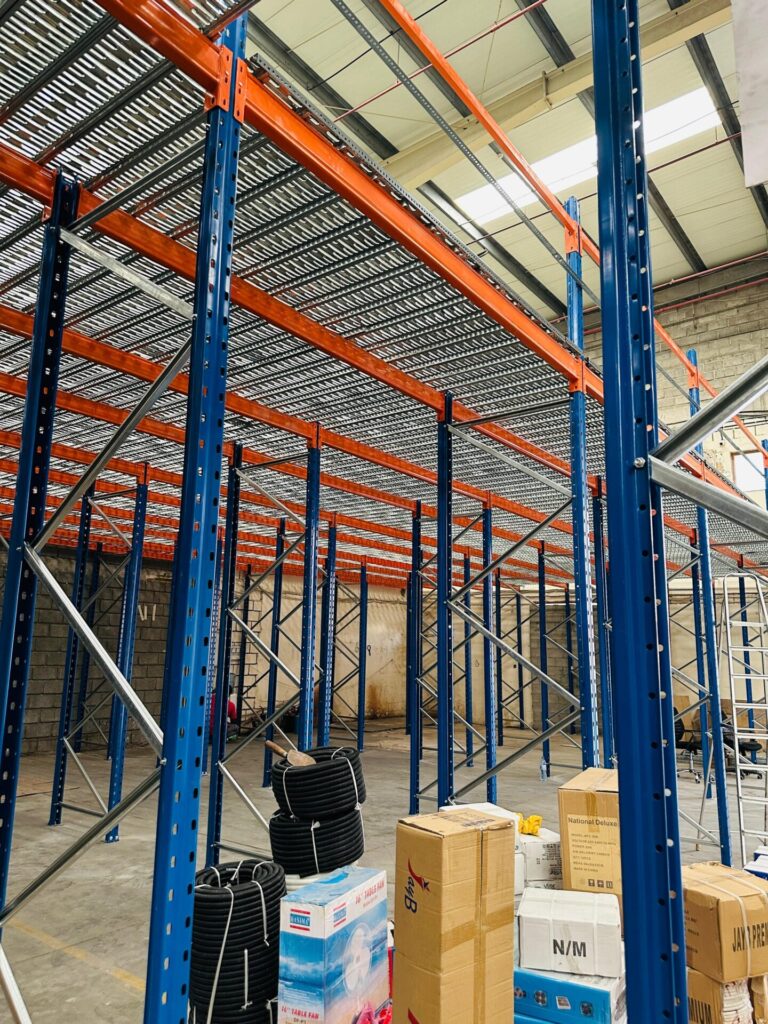
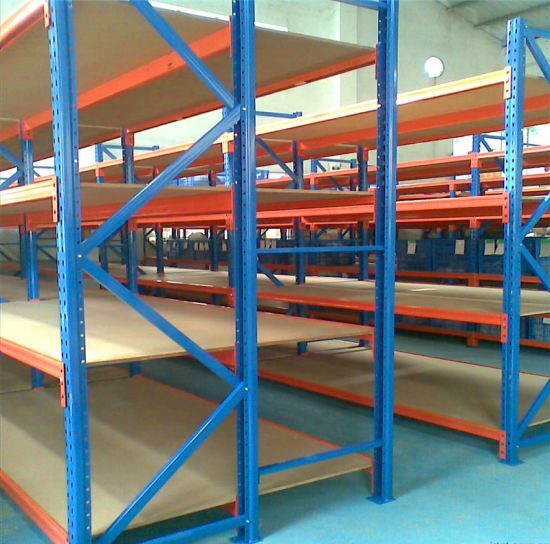
In modern warehouses, pallet racking plays a major role in organizing products and maximizing storage space. It helps companies make better use of vertical height and keeps the warehouse tidy and efficient. But alongside efficiency, one factor must always remain the top priority—human safety. A racking system is only successful when it protects the people working around it.
This blog explains how to combine pallet racking with proper safety practices to create a secure, productive, and compliant warehouse environment.
Why Safety in Pallet Racking Cannot Be Ignored
When pallet racking is not managed correctly, it can lead to dangerous accidents such as:
- Falling pallets
- Rack collapse
- Employee injuries
- Equipment damage
- Business interruptions
- Legal and insurance issues
Safety is not just a regulation—it is a responsibility. When workers feel safe, productivity improves, and operations run smoothly.
1. Choose the Right Racking System
The first step toward safety is selecting a rack that fits your warehouse needs.
Consider:
- Weight of pallets
- Size and type of products
- Forklift access and aisle width
- Building layout and ceiling height
Using the correct racking design ensures stability and prevents structural stress. Avoid mixing old and new components from different manufacturers, as this can weaken the system.
2. Get Professional Installation
Even strong racks can fail if installed poorly. That’s why installation should be done by experts who follow engineering and manufacturer standards.
A safe installation includes:
- Level floors
- Proper anchoring to the ground
- Accurate spacing of beams and uprights
- Use of safety barriers in forklift zones
Professional installation reduces risk and helps the rack last longer with minimal issues.
3. Load Pallets Correctly
Most rack failures come from improper loading.
Safety loading tips:
Heaviest items on lower levels
Spread the weight evenly
Do not exceed load capacity
Place pallets carefully—do not push them off the back
All racks should have clear load capacity labels to guide workers.
4. Add Safety Accessories
Small safety items can prevent major accidents.
Useful accessories include:
- Column protectors to absorb forklift impact
- Beam safety locks to prevent beams from dislodging
- Row spacers for stability
- Rack end barriers for aisle protection
- Safety nets or back stops to stop falling pallets
These features act like insurance for your racking system.
5. Inspect Regularly
Racking systems experience daily wear and tear. A small bend or crack can lead to a major collapse if ignored.
Inspection routine:
- Daily visual checks by operators
- Monthly inspection by supervisors
- Detailed annual audit by professionals
Look for:
- Bent uprights or beams
- Missing safety clips
- Loose bolts
- Rust or cracks
- Overloaded sections
If any problem is found, unload the rack immediately and repair it before use.
6. Train Employees
Even the best racking system is unsafe if staff don’t know how to use it.
Training should cover:
- Proper loading and unloading
- Forklift handling near racks
- Importance of load limits
- How to report damage
- Emergency procedures
When employees understand safety rules, they become the first line of protection.
7. Keep Forklift Operations Safe
Forklifts are one of the leading causes of racking damage.
Best practices:
Drive at safe speeds
Avoid sharp turns near racks
Keep forks at correct height
Only trained and certified drivers should operate forklifts
Adding guard rails or barriers can protect racks from accidental impact.
8. Maintain Clean and Organized Aisles
A tidy warehouse is a safer warehouse.
Good housekeeping includes:
- Clear aisles with no obstructions
- Clean floors to avoid slips
- Proper lighting for visibility
- No pallets blocking emergency exits
Small steps can prevent big accidents.
9. Use Clear Labels and Signage
Workers respond better when information is visible.
Add signs for:
- Load limits
- Aisle directions
- Height restrictions
- Hazard warnings
- Emergency exits
Clear communication helps reduce human error.
10. Respond Quickly to Damage
Never ignore damaged racks. Continuing to use them puts everyone in danger.
Steps to follow:
- Stop using the damaged area
- Unload pallets safely
- Block off the section
- Notify the safety supervisor
- Repair or replace damaged parts
Safety must always come before speed or convenience.
Benefits of Safe Pallet Racking
Implementing safety-driven pallet racking provides long-term advantages:
Fewer accidents
Lower repair and insurance costs
Longer rack lifespan
Happier and more confident workers
Higher operational efficiency
Compliance with regulations
A safe warehouse builds a strong company reputation and better performance.
Conclusion
Pallet racking is essential for storage and productivity, but its true success depends on human safety. By using proper design, expert installation, safe loading practices, inspections, and employee training, you can create a warehouse that is not only efficient but also safe for everyone.
Safety is not just a policy—it’s a culture of care and responsibility.
FAQ: Pallet Racking & Human Safety
1. What causes most pallet racking accidents?
Improper loading, forklift impact, and lack of maintenance are the main causes.
2. How often should racks be inspected?
Daily visual checks, regular supervisor inspections, and annual professional audits.
3. Is it safe to repair damaged racks?
Yes, but only with approved parts and by trained professionals. Never use temporary fixes.
4. Why are safety accessories important?
They prevent falls, collisions, and structural failure, making the racking safer to use.
5. Can safety improve productivity?
Absolutely. When workers feel safe and confident, they work faster and more efficiently.