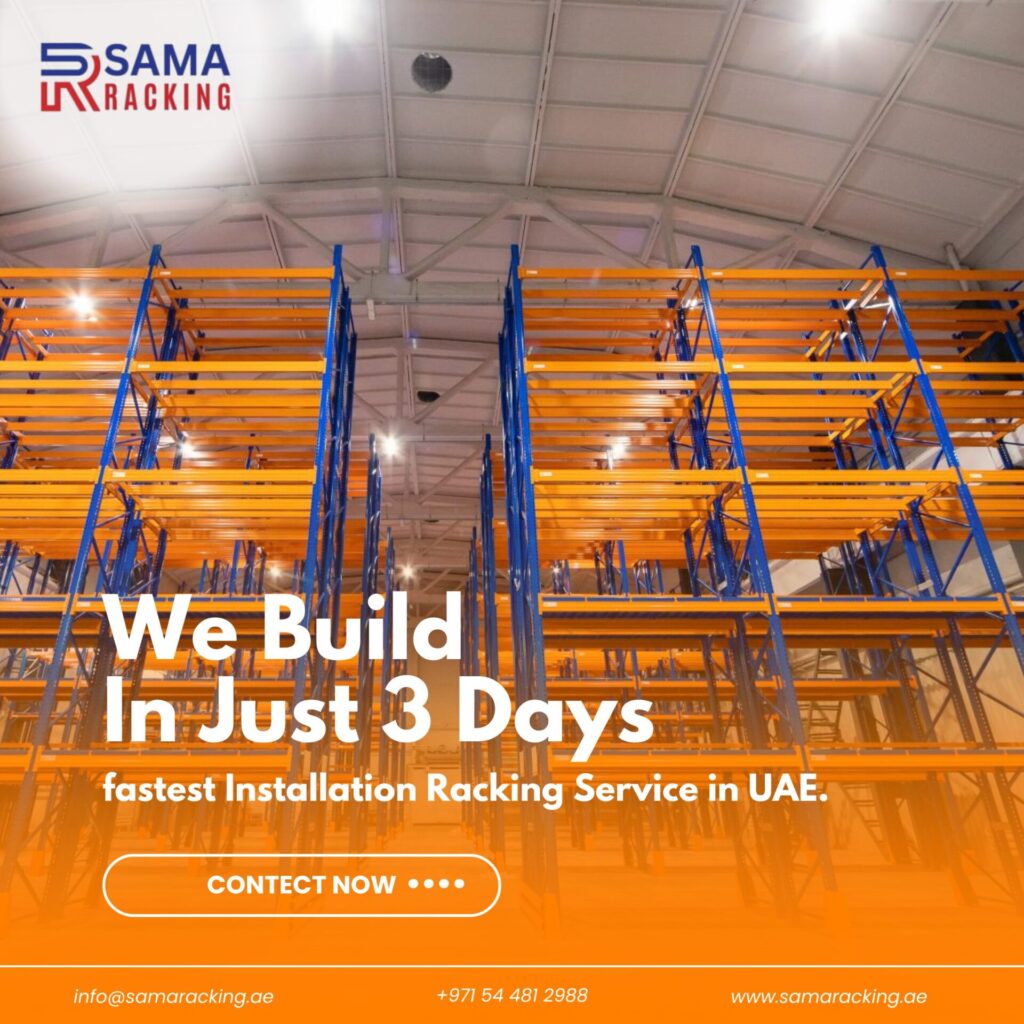
How to Calculate the Right Racking for Your Warehouse in UAE
Running a warehouse is not only about having enough space—it’s about using that space efficiently and safely. This is where racking systems play a huge role. A well-planned racking layout can help you store more, improve workflow, and keep your operations organized. But how do you calculate the right racking for your warehouse? Let’s break it down step by step.
Step 1: Measure Your Warehouse Dimensions
The first thing you need to do is measure the length, width, and height of your warehouse. Many businesses focus only on floor space, but the real advantage comes from using vertical height.
For example, if your warehouse is 30m x 20m with a 9m ceiling, you can install racking up to around 7–8m depending on fire safety rules. Always remember to leave space for sprinklers, lighting, and ventilation.
👉 Tip: Don’t just fill every corner with racks—plan safe aisles for forklifts and worker movement.
Step 2: Understand Your Storage Requirements
Different warehouses store different types of products. Before you choose a racking system, ask yourself:
- Are you storing light, medium, or heavy-duty items?
- Do you store goods on pallets, cartons, or loose items?
- How often do you need to access each product?
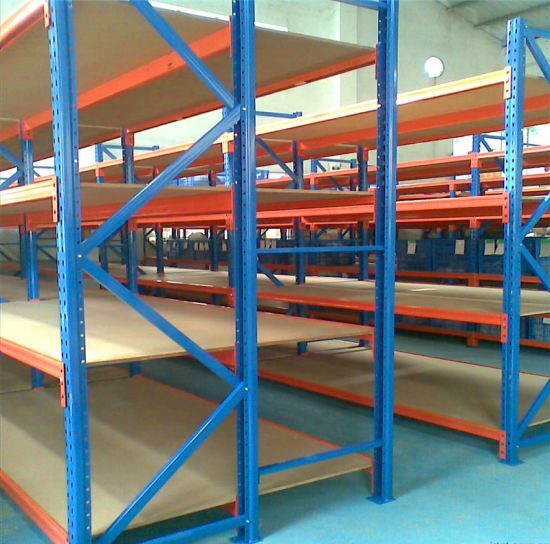
For example, if you store heavy building materials, pallet racking is ideal. But if you’re handling e-commerce boxes or spare parts, long span shelving or bolt-free shelving may work better.
Step 3: Calculate Load Capacity
This is the most important part—knowing how much weight your racks must handle.
- Find the average weight of one pallet or box.
- Multiply that by the number of pallets or boxes per level.
- Multiply again by the total number of levels.
👉 Example: If one pallet weighs 700 kg and you keep 3 pallets per level across 4 levels, then:
700 × 3 × 4 = 8,400 kg per bay.
For safety, always choose racks that can handle at least 15–20% more weight than your calculation.
Step 4: Plan the Right Aisle Width
Aisles are often overlooked, but they affect both safety and storage capacity.
- Wide Aisle (3.5m–4m): Works with normal forklifts.
- Narrow Aisle (1.6m–2m): Saves space but requires special equipment.
- Very Narrow Aisle (VNA <1.6m): Maximum storage density, suitable for high-volume warehouses.
👉 In UAE, where warehouse space is costly, narrow aisle or VNA racking can give you a big advantage.
Step 5: Consider Future Expansion
Your warehouse needs today might not be the same in two years. Always plan for growth.
- Use modular racking systems that can be extended later.
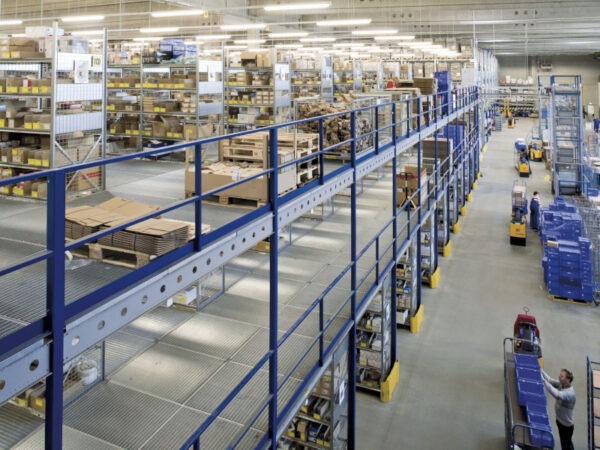
- Think about mezzanine floors if you want to double your storage without moving to a bigger facility.
This saves you money and effort in the long run.
Step 6: Follow Safety and Compliance Rules in UAE
Safety should never be compromised. Make sure:
- Racks are bolted securely to the floor.
- Load signs are placed clearly on each rack.
- Fire exits and sprinklers are not blocked.
- Regular inspections are done to avoid accidents.
Working with a professional supplier ensures that your racking meets UAE civil defense standards.
Final Thoughts
Calculating the right racking system is not just about shelves—it’s about optimizing your warehouse, keeping workers safe, and preparing for growth. By measuring your space, analyzing your products, calculating load capacity, and considering future expansion, you’ll make the best decision for your business.
At Sama Racking UAE, we provide ready stock racking solutions up to 9 meters high, designed to suit warehouses, shops, and industries of all sizes. Our team can also design a customized layout plan to help you get the most out of your space.
📞 Call us today at +971 54 481 2988 for a free consultation and warehouse layout plan.
INSTAGRAM | FACEBOOK | LINKEDIN | YELLOW PAGE | MEDIUM