Sandwich Panels and Wall Panels: Smart, Efficient Solutions for Modern Construction
In today’s fast-paced construction industry, efficiency, durability, and energy performance are no longer optional—they are essential. Sandwich panels and wall panels have emerged as some of the most reliable building materials for industrial, commercial, and residential projects. Known for their excellent insulation properties, quick installation, and long service life, these panels are widely used across warehouses, factories, cold rooms, villas, labor accommodations, and commercial buildings in the UAE.
What Are Sandwich Panels?
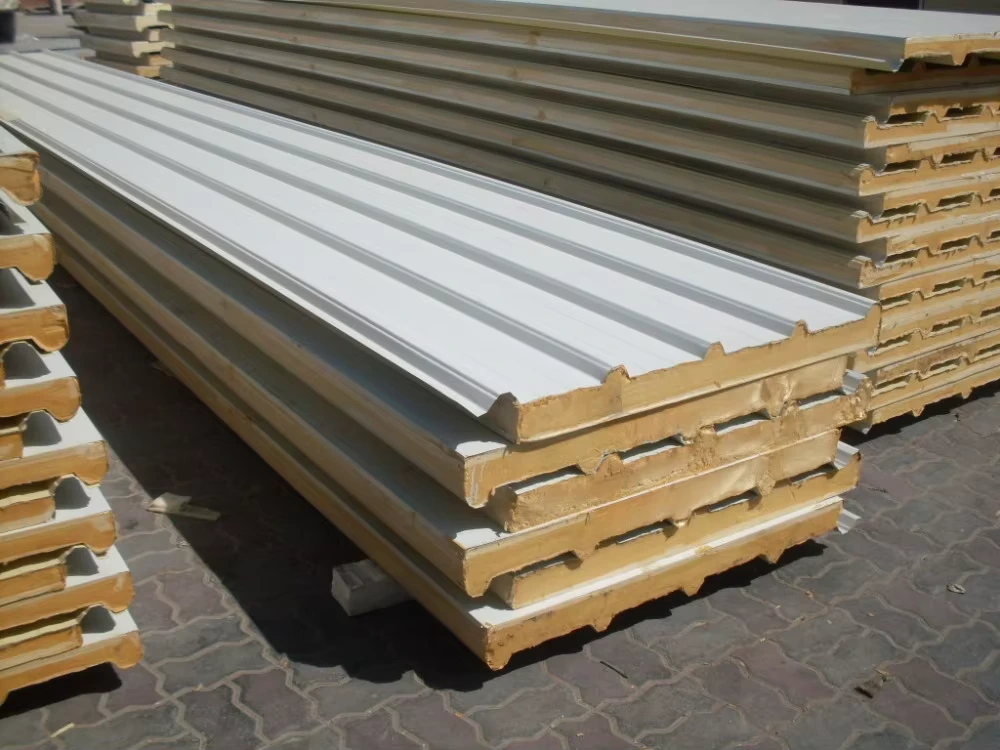
Sandwich panels are prefabricated building components made of two outer metal sheets bonded to an insulated core. This layered structure provides high strength while maintaining a lightweight profile. The outer sheets are usually made from pre-painted galvanized steel, aluminum, or stainless steel, while the core material can be PU (polyurethane), PIR (polyisocyanurate), EPS (expanded polystyrene), or mineral wool.
This design allows sandwich panels to deliver superior thermal insulation, sound reduction, and structural stability, making them ideal for both walls and roofing systems.
Understanding Wall Panels
Wall panels are versatile construction elements used for interior and exterior wall cladding. While sandwich panels are a type of wall panel, the term “wall panel” also includes single-skin metal panels, decorative panels, and architectural cladding systems. These panels enhance the building’s appearance while offering protection against weather, moisture, and corrosion.
Wall panels are commonly used in office partitions, showrooms, commercial buildings, industrial units, and modular structures.
Key Benefits of Sandwich Panels and Wall Panels
One of the biggest advantages of sandwich and wall panels is their energy efficiency. The insulated core significantly reduces heat transfer, helping buildings stay cooler in hot climates like the UAE. This leads to lower air-conditioning costs and improved indoor comfort.
Another major benefit is fast installation. Since these panels are factory-made and ready to install, construction time is drastically reduced compared to traditional blockwork. This helps contractors meet tight deadlines and lowers overall labor costs.
Durability is another strong point. High-quality panels are resistant to corrosion, moisture, and UV exposure, ensuring long-term performance even in harsh environmental conditions. They also require minimal maintenance, making them a cost-effective solution over time.
In addition, sandwich panels provide excellent fire and acoustic performance, especially when mineral wool or PIR cores are used. This makes them suitable for buildings where safety and noise control are critical.
Applications Across Multiple Industries
Sandwich panels and wall panels are used in a wide range of applications. In industrial settings, they are commonly installed in factories, warehouses, workshops, and logistics centers. Their strength and insulation properties make them ideal for large-span structures.
In commercial projects, these panels are used for shopping centers, offices, showrooms, and retail outlets, offering a clean and modern appearance. For temperature-controlled environments such as cold rooms, food processing units, and pharmaceutical facilities, insulated sandwich panels are essential for maintaining stable internal conditions.
Residential and modular construction also benefits from wall panels due to their speed of installation and attractive finishes, especially in prefabricated homes, site offices, and labor camps.
Types of Core Materials
The choice of core material plays a crucial role in panel performance. PU and PIR cores are popular for their high thermal insulation and lightweight nature. EPS panels are economical and suitable for general applications, while mineral wool panels offer superior fire resistance and sound insulation.
Selecting the right core depends on project requirements, safety standards, and budget considerations.
A Sustainable Building Choice
With sustainability becoming a global priority, sandwich panels are considered an environmentally responsible solution. Their insulation reduces energy consumption, and many panels are recyclable. The reduced construction waste and shorter project timelines also contribute to a smaller environmental footprint.
Conclusion
Sandwich panels and wall panels have transformed modern construction by offering a perfect balance of strength, insulation, speed, and aesthetics. Whether used in industrial, commercial, or residential projects, these panels deliver long-term value, energy savings, and reliable performance. For projects in the UAE’s demanding climate, investing in high-quality sandwich and wall panel systems is a smart and future-ready decision.