
Beam Pin Types and Their Differences in Racking Systems
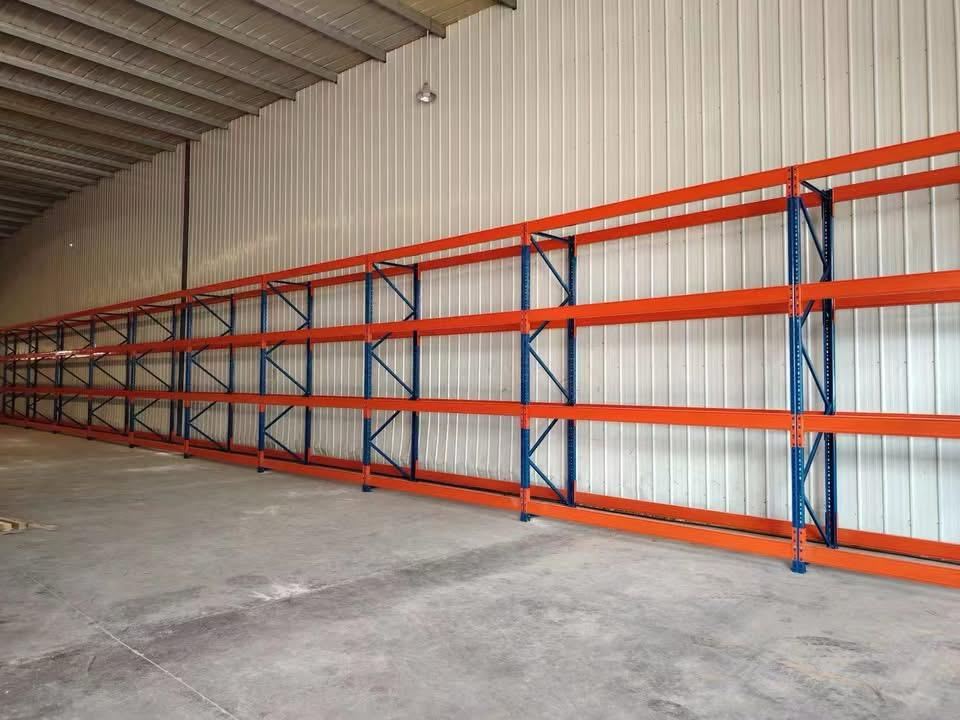
In warehouse racking systems, safety and stability are top priorities. One of the small but essential components that ensure this safety is the beam pin. Although often overlooked, beam pins play a critical role in securing the horizontal beams to the upright frames, preventing accidental dislodgement and maintaining the integrity of the entire structure.
Understanding the different beam pin types and their uses can help businesses choose the right racking system and maintain a safe working environment.
What is a Racking Beam Pin?
A beam pin (also known as a safety pin or locking pin) is a metal locking device used to secure the beam connectors into the upright frame holes. Once the beam is inserted into the frame, the pin locks it in place, ensuring it does not move or get lifted accidentally during warehouse operations.
This is especially important in environments where forklifts are frequently used, as accidental impact or vibration can loosen unsecured beams.
Why Beam Pins Are Important
Beam pins are designed to enhance both safety and durability in warehouse racking systems.
1. Prevent Beam Dislodgement
Without beam pins, beams can be accidentally lifted out of position, especially when pallets are being placed or removed.
2. Improve Structural Stability
Beam pins ensure that the connection between beams and frames remains firm, helping distribute loads evenly.
3. Increase Worker Safety
A properly secured racking system reduces the risk of accidents caused by falling materials or collapsing racks.
4. Compliance with Safety Standards
Many warehouse safety regulations require the use of locking mechanisms like beam pins to ensure secure installations.
Common Types of Beam Pins
There are several types of beam pins used in pallet racking systems, each designed for specific applications and levels of load capacity.
1. Standard Safety Lock Pin
This is the most commonly used type of beam pin in pallet racking systems. It is usually made of steel and is inserted through the beam connector into the upright frame.
- Simple design
- Easy to install and remove
- Provides basic locking functionality
It is widely used in medium to heavy-duty racking systems.
2. Spring Clip Pin
Spring clip pins use a flexible mechanism that snaps into place when inserted. The spring action ensures a tight grip and prevents the pin from slipping out.
- Quick installation
- Strong locking mechanism
- Ideal for high-traffic warehouses
This type is commonly used in modern racking systems due to its reliability.
3. Bolt and Nut Locking System
In heavy-duty or customized racking systems, beams may be secured using bolts and nuts instead of simple pins.
- Extremely strong connection
- Suitable for very heavy loads
- Requires tools for installation
Although not as quick to adjust, this system provides maximum security.
4. Drop-in Safety Lock
Drop-in locks are integrated into the beam connector itself. Once the beam is placed into the upright frame, the lock automatically falls into position.
- No separate pin required
- Faster installation
- Reduces the risk of missing components
These are commonly found in advanced racking systems.
5. Cotter Pin (Split Pin)
Cotter pins are simple metal pins that are bent after insertion to prevent removal.
- Low cost
- Easy to use
- Suitable for light to medium-duty applications
However, they may not be as durable as other locking mechanisms in heavy-duty environments.
6. Safety Locking Clips
These clips are designed to snap over the beam connector and frame, holding the beam securely in place.
- Reusable and durable
- Easy to inspect visually
- Common in industrial warehouses
They provide an extra layer of safety and are often used alongside other locking systems.
Differences Between Beam Pin Types
The main differences between beam pin types lie in their strength, ease of use, and application.
- Installation Method: Some pins are tool-free, while others require tools.
- Load Capacity: Heavy-duty systems often require stronger locking mechanisms like bolts.
- Flexibility: Quick-lock pins allow faster adjustments compared to fixed systems.
- Safety Level: Advanced locking systems provide higher resistance to accidental dislodgement.
Choosing the right type depends on the specific requirements of the warehouse, including load weight, frequency of adjustments, and safety standards.
How to Choose the Right Beam Pin
Selecting the correct beam pin type is essential for maintaining a safe and efficient warehouse.
Consider the following factors:
- Type of racking system
- Load capacity requirements
- Frequency of beam adjustments
- Working environment (manual or forklift operation)
- Compliance with local safety regulations
For most standard warehouse operations, spring clip pins or safety lock pins offer a good balance of safety and convenience.
Maintenance and Safety Tips
To ensure beam pins continue to function effectively, regular inspection and maintenance are necessary.
- Check for bent or damaged pins
- Ensure all beams are properly locked
- Replace worn-out pins immediately
- Avoid using incompatible pin types
Routine checks help prevent accidents and extend the lifespan of the racking system.
Conclusion
Beam pins may be small components, but they play a major role in ensuring the safety, stability, and performance of racking systems. With various types available, each designed for specific applications, it is important to choose the right one based on your warehouse needs.
By understanding the different beam pin types and their differences, businesses can create a safer working environment while improving the efficiency and reliability of their storage systems.