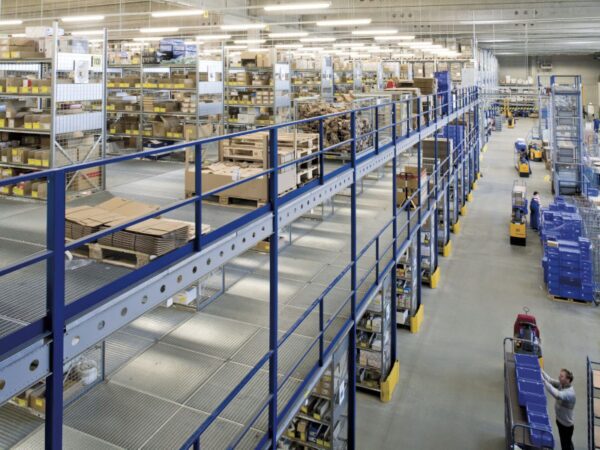
Safety Management for Mezzanine Floors: A Practical Guide for Safer Workspaces
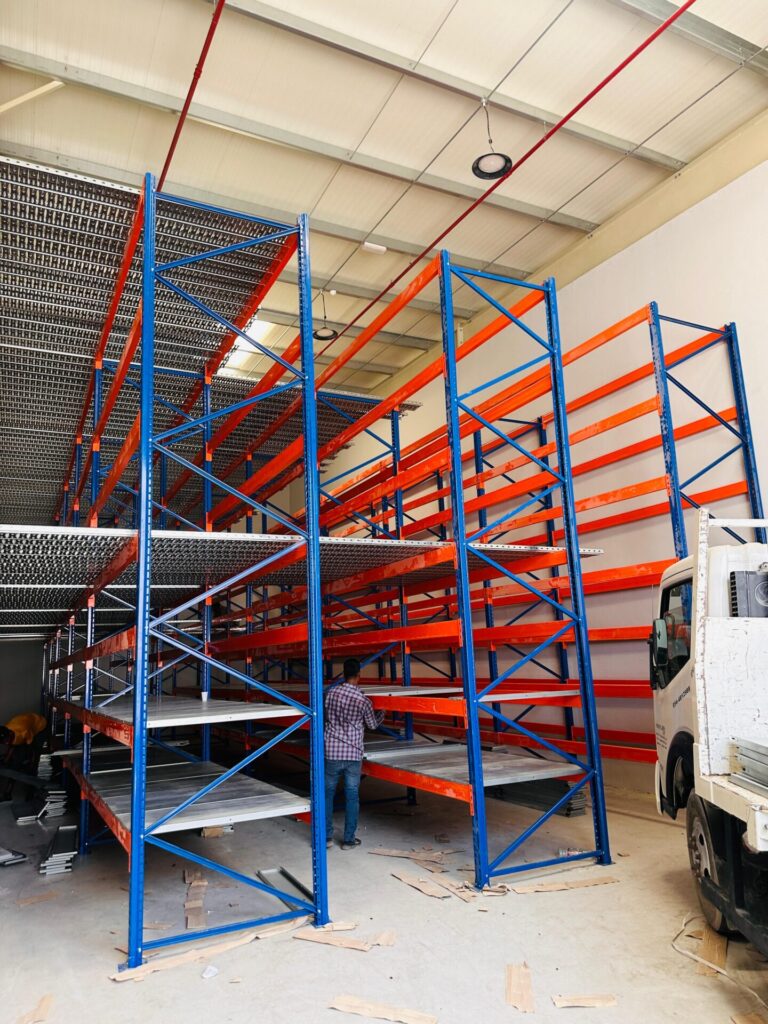
In today’s fast-moving industrial and warehouse environments, space is always a challenge. Businesses are constantly looking for smarter ways to expand without increasing costs. One of the most effective solutions is the mezzanine floor—a raised platform that makes use of vertical space. While mezzanines offer excellent benefits in terms of storage and efficiency, they also come with safety responsibilities that should never be ignored.
A well-managed mezzanine floor is not just about adding extra space; it’s about creating a safe and reliable working environment. Without proper safety measures, these elevated structures can become a source of serious accidents. That’s why safety management must be part of the planning, installation, and daily operation of every mezzanine system.
mezzanine floor safety Strong Design Is the First Step
Every safe mezzanine starts with proper design. It’s important that the structure is engineered by experienced professionals who understand load requirements and building standards. A mezzanine floor must be able to handle both the weight of stored goods and the movement of people working on it.
Overloading is one of the most common causes of structural issues. Each mezzanine has a defined load capacity, and exceeding this limit can lead to bending, instability, or even collapse. Using high-quality materials and ensuring proper installation helps create a solid foundation that can handle daily operations safely.
Preventing Falls and Injuries
Since mezzanine floors are elevated, fall protection is one of the most important safety concerns. Even a small mistake can lead to serious injuries if proper precautions are not in place. Installing guardrails along all open edges is essential. These guardrails should be strong, properly secured, and high enough to prevent workers from accidentally slipping or losing balance.
In addition to guardrails, toe boards and mesh panels can help prevent tools or materials from falling to the level below. This not only protects workers on the mezzanine but also those working underneath. For areas where goods are loaded and unloaded, safety gates provide controlled access and reduce the risk of falls during handling activities.
Safe and Easy Access
Access points are another key factor in mezzanine safety. Workers should be able to move up and down the platform comfortably and securely. Staircases are the best option for regular use, as they provide stability and ease of movement. They should include handrails, non-slip surfaces, and proper spacing to avoid congestion.
Ladders may be used in some cases, but they are not ideal for frequent access, especially when workers are carrying items. Good lighting around stairs and entry points also improves visibility and helps prevent slips and trips.
Managing Loads Effectively
Even the strongest mezzanine can become unsafe if weight is not managed properly. Clear load capacity signs should be displayed in visible areas so that workers are always aware of the limits. It’s equally important to train staff on how to distribute weight evenly across the platform.
Placing too much weight in one area can create stress points and weaken the structure over time. Simple practices, such as organizing storage properly and avoiding overcrowding, can make a big difference in maintaining safety.
Fire Safety Should Never Be Ignored
Fire safety is a critical part of mezzanine management, especially in warehouses where flammable materials may be stored. Installing fire extinguishers, sprinkler systems, and smoke detectors can help control risks and respond quickly in case of an emergency.
Emergency exits should always be clearly marked and kept free from obstruction. Workers must know evacuation routes and procedures so they can act quickly if needed. Using fire-resistant materials during construction can also provide additional protection.
The Importance of Lighting and Visibility
A well-lit mezzanine is a safer mezzanine. Poor lighting can lead to mistakes, accidents, and reduced productivity. Proper lighting ensures that workers can see clearly while handling goods, walking, or operating equipment.
In addition to regular lighting, emergency lighting systems are essential. These systems provide visibility during power outages, helping workers move safely and avoid panic in unexpected situations.
Training Makes the Difference
Even with the best equipment and design, safety ultimately depends on people. Training employees on proper safety practices is one of the most effective ways to prevent accidents. Workers should understand how to handle materials safely, follow load limits, and respond to emergencies.
Providing personal protective equipment (PPE) such as helmets, gloves, and safety shoes adds another layer of protection. Regular safety briefings and refresh training sessions help keep everyone aware and prepared.
Regular Inspection and Maintenance
Safety does not end after installation. Over time, mezzanine structures can experience wear and tear. Loose bolts, corrosion, or minor damage can develop into serious problems if not addressed early.
Routine inspections help identify these issues before they become dangerous. Maintenance should be carried out regularly, and all repairs should be completed without delay. Keeping records of inspections also ensures compliance with safety standards and provides peace of mind.
Conclusion
Mezzanine floors are a smart and efficient solution for maximizing space, but they require careful safety management to perform effectively. From strong structural design to proper training and regular maintenance, every step plays a role in creating a safe working environment.
By prioritizing safety, businesses not only protect their workers but also improve productivity and long-term reliability. A safe mezzanine is not just a structure—it’s a commitment to responsible and efficient operations.